
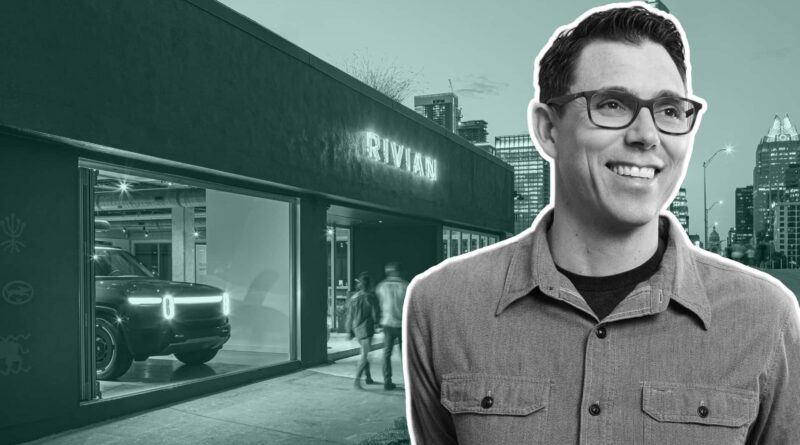
Rivians will be so driverless by 2030 that you won’t need to be in the car: CEO
The robotaxis and driver assistance features are more capable than ever – and getting better every day. One big question going forward is when these technologies will converge.
In other words, you can drive without a driver in Waymo right now in several cities across America. And you can comfortably rely on a hands-free driver aid like General Motors’ Super Cruise to drive on certain highways as long as you’re supervised. Tesla Full Self-Driving (Supervised) can navigate the world quite well in my experience – but you also have to be constantly watching and ready to pounce.
So when will true self-driving technology be so cheap and so bulletproof that it lands in regular cars you can actually buy? That’s the trillion dollar question. Because any car company can sell you a nap on the way to work or extra time to watch Netflix, they reap huge rewards.
According to Rivian CEO RJ Scaringe, that future is closer than you think.
He said Automotive news this week that the next steps for Rivian’s autonomy efforts are “go everywhere” functionality, followed by the addition of “point-to-point navigation” that sounds a lot like Tesla’s FSD.
Both will still require driver involvement and awareness. After that, things will move fairly quickly towards a system that the CEO says you no longer need to pay attention to.
“The next step is to allow you to not be in the vehicle,” Scaringe told the paper. “Our view is that it will happen before the end of the decade.”
So maybe in 2028 or 2029, Scaringe suggests, you’ll be able to send your Rivian to run errands or pick up a friend at the airport while you stretch out on the couch. It’s an enticing vision and a short timeline, but what to make of it?
Tesla CEO Elon Musk has been selling roughly this dream since his 2016 “Master Plan Part Deux” manifesto.
“When regulators approve true self-driving, it will mean you’ll be able to summon your Tesla from virtually anywhere. Once it picks you up, you’ll be able to sleep, read or do whatever else you want on the way to your destination,” he wrote. He has said many times over the years that Tesla owners will soon be able to send their cars to drive for them as autonomous carpoolers.
On the one hand, building self-driving cars has turned out to be much more difficult and time-consuming than most people like Musk expected. It took several decades to get to this point.
At the same time, advances in artificial intelligence have fueled the development of autonomous driving algorithms. Generally speaking, primarily rule-based systems (if “stop, then hit the brakes”) have given way to AI-based models that can learn better and are more generalizable.
(Scaringe explained this better than I did when I interviewed him on the Plugged-in Podcast earlier this year. See the timestamped section here.)
In 2025, autonomous cars are more real than ever, with Waymo handling millions of paid trips every month, expanding into highways, and preparing an onslaught of new cities. And Rivian is not alone in pursuing higher and higher levels of autonomy in the near future. GM plans to add eyestrain to Super Cruise by 2028, first in the Cadillac Escalade.
Can these companies pull it off? It won’t be easy, that’s for sure. At least as far as Rivian is concerned, we’ll learn more about its plans at its Autonomy and AI Day next week.
Contact the author: Tim.Levin@InsideEVs.com